Kathrine Switzer, Siila Watt-Cloutier, and Sharon Farmer.
They are the first woman to run the Boston Marathon officially, the first woman to connect climate change to human rights, and the first woman to serve as Chief White House Photographer.
These trailblazing women broke barriers in their time and continue to pursue their passions to this day. They’re living proof that you can follow your dreams and maybe change the world in the process.
When Kathrine Switzer became the first woman to officially run the Boston Marathon in 1967, it sparked a lifelong quest to promote women’s running, which culminated in her securing a spot for the women’s marathon in the 1984 Olympics. Now 79, Kathrine has started a global non-profit to empower women through running in countries where women’s rights are woefully denied.
Kathrine Switzer is one of running’s most iconic figures. She’s known not just for breaking barriers, as the first woman to officially run the Boston Marathon in 1967, but for her continued work promoting women’s running.
She was responsible for getting women’s marathon running accepted into the Olympics in 1984 and continues to empower women through running with her not-for-profit, 261 FEARLESS, which currently has running clubs in 14 countries. Kathrine is also the author of Marathon Woman (DaCapo Press), Running and Walking for Women Over 40, the Road to Sanity and Vanity (St. Martin’s Press), and co-author 26.2 Marathon Stories (Rodale Press).
Find Out More: https://kathrineswitzer.com/
When Kathrine Switzer became the first woman to officially run the Boston Marathon in 1967, it sparked a lifelong quest to promote women’s running, which culminated in her securing a spot for the women’s marathon in the 1984 Olympics. Now 78, Kathrine has started a global non-profit to empower women through running in countries where women’s rights are woefully denied.
Siila “Sheila” Watt-Cloutier dedicated her life to fighting climate change. Her work with the U.N. resulted in the regulation of toxic chemicals through the Stockholm Convention. In 2005, she was the first person to launch an international legal action against the U.S. for its contribution to global warming, which she argued violated the human rights of the Inuit. She was nominated for a Nobel Prize in 2007 for her work framing climate change as a human rights issue. Now 72, Siila continues speaking out to save her people and the planet.
Siila Watt-Cloutier is a lifelong advocate for the rights of Inuit and a leading voice in climate action. Her work as Canadian President and International Chair of the Inuit Circumpolar Council (ICC) led to the adoption of the Stockholm Convention to ban persistent organic pollutants worldwide. In 2005 she she launched the world’s first international legal action on climate change: a petition, along with 62 Inuit hunters and Elders from communities across Canada and Alaska, to the Inter-American Commission on Human Rights, alleging that unchecked emissions of greenhouse gases from the United States have violated Inuit cultural and environmental human rights as guaranteed by the 1948 American Declaration of the Rights and Duties of Man.
Her groundbreaking work connecting human rights and climate change changed the way the world approaches climate protection. She was nominated for a Nobel Prize for this work in 2007. Siila is the author of The Right to Be Cold: One Woman’s Story of Protecting Her Culture, the Arctic and the Whole Planet, an Officer of the Order of Canada, a recipient of the Aboriginal Achievement Award, the UN Champion of the Earth Award, the Norwegian Sophie Prize, the Jack P. Blaney Award for Dialogue and the Right Livelihood Award, which is widely considered the “Nobel Alternative.”
Siila Watt-Cloutier dedicated her life to fighting climate change. Her work with the U.N. resulted in the regulation of toxic chemicals through the Stockholm Convention. In 2005, she was the first person to launch an international legal action against the U.S. for its contribution to global warming, which she argued violated the human rights of the Inuit. She was nominated for a Nobel Prize in 2007 for her work framing climate change as a human rights issue. Now 72, Siila continues speaking out to save her people and the planet.
Sharon Farmer started taking photos at Ohio State University during the civil rights protests of the 1960s and went on to become the first woman to run the White House Photography Office. Now 74, Sharon has returned to her roots, using her camera to promote social justice. At a time when basic human rights are being challenged, Sharon is documenting this history by photographing the realities she encounters today as a black woman in America.
Sharon Farmer graduated with a degree in photography from Ohio State University in 1974. Sharon’s work as vice president of the student government and editor of the school paper Our Choking Times resulted in several changes at the university, including the establishment of the Department for African American Studies, the hiring of more black staff on campus, and additional scholarships for people of colour on campus.
Throughout her career, Sharon has photographed for notable organizations such as the American Association for the Advancement of Science, the Leadership Conference on Civil and Human Rights, the National Urban League, the Brookings Institution, and Delta Sigma Theta Sorority, among others.
She’s the first woman and first person of colour to be Chief Official White House Photographer. Sharon’s photos can be seen at the Library of Congress, the William J. Clinton Presidential Library, the National Museum of African American History & Culture of the Smithsonian Institute.
Sharon Farmer started taking photos at Ohio State University during the civil rights protests of the 1960s and went on to become the first woman to run the White House Photography Office. Now 74, Sharon has returned to her roots, using her camera to promote social justice. At a time when basic human rights are being challenged, Sharon is documenting this history by photographing the realities she encounters today as a black woman in America.
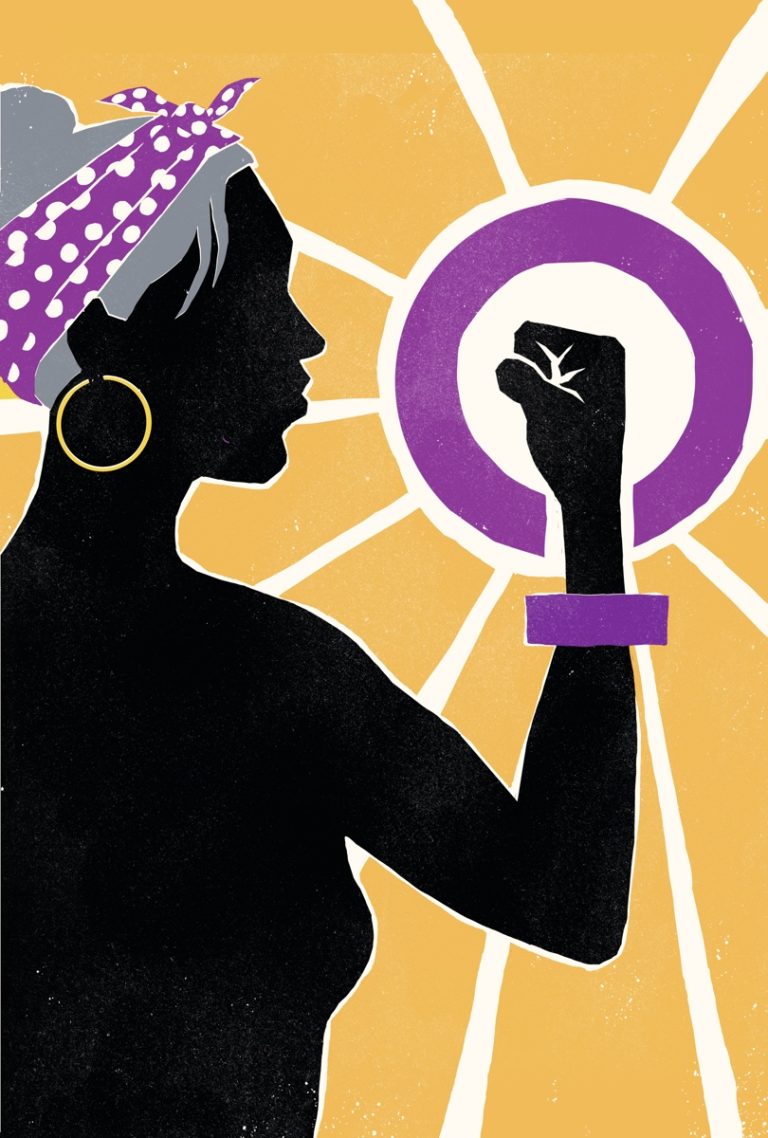
Tough Old Broads is more than a documentary — it will spark a movement of women, both young and old, to embrace their power, speak out, and demand attention
Director's Statement
When I made my first documentary at 46, I was struck by the gender inequality in the industry. Now, as I navigate my mid-50s, I am keenly aware that the next hurdle I must face is ageism. While society widely condemns other forms of discrimination, ageism remains generally accepted and unchallenged, especially in the media – an industry which prizes youth behind and in front of the camera. This documentary hopes to change that. I made this film to highlight female accomplishments, to share the wisdom and experiences of older women, and to inspire all people to remain vital and outspoken as they age.
I chose each of the women in the film because they were the first to do something in what was considered to be a ‘man’s world’. I wanted to explore how they were able to transcend barriers in a time when the scales were even more heavily weighted against women. All three speak to how far we have come, what still needs to be done, and whether it is possible to create meaningful change when the world’s problems seem so insurmountable. I see this film as an opportunity to pass the torch from one generation of activists and change-makers to the next, since systemic, historic problems are rarely fixed in just one generation. I hope the documentary will inspire young and old to pursue their passions and to fight for a better tomorrow.
Stacey Tenenbaum
Funding Partners


